
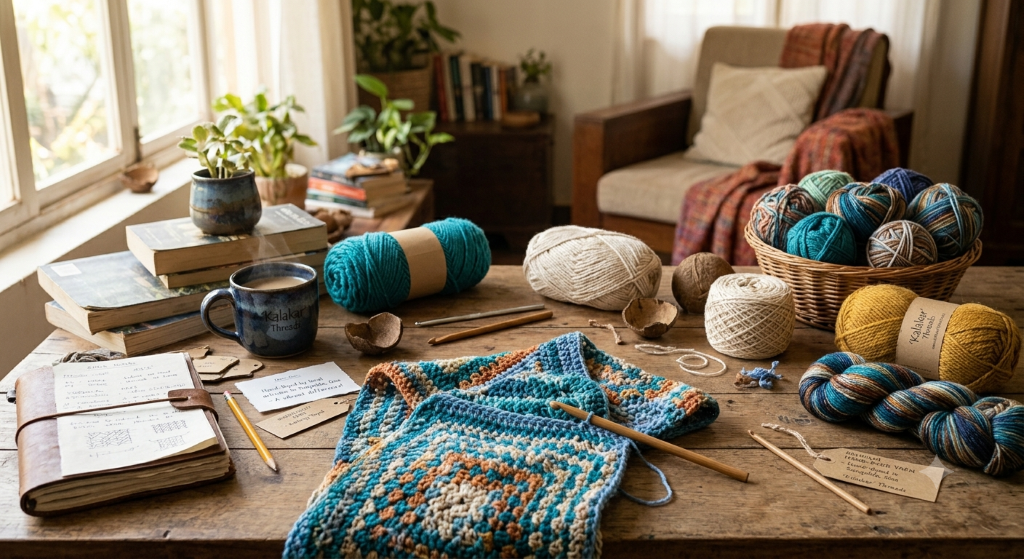
I’ve been buying yarn for long enough now that I can tell within thirty seconds of walking into a shop whether the owner has restocked recently or is just clearing out last year’s leftovers. That instinct is basically what this whole crochet yarn market report 2026 is built on — hours spent scrolling seller pages, chatting with shop owners, and unravelling (sorry) what’s changed since last year.
I’m not going to pretend this is some official industry survey with charts and footnotes. This is what I’ve seen with my own hands, on my own hooks, buying yarn the same way you probably do.
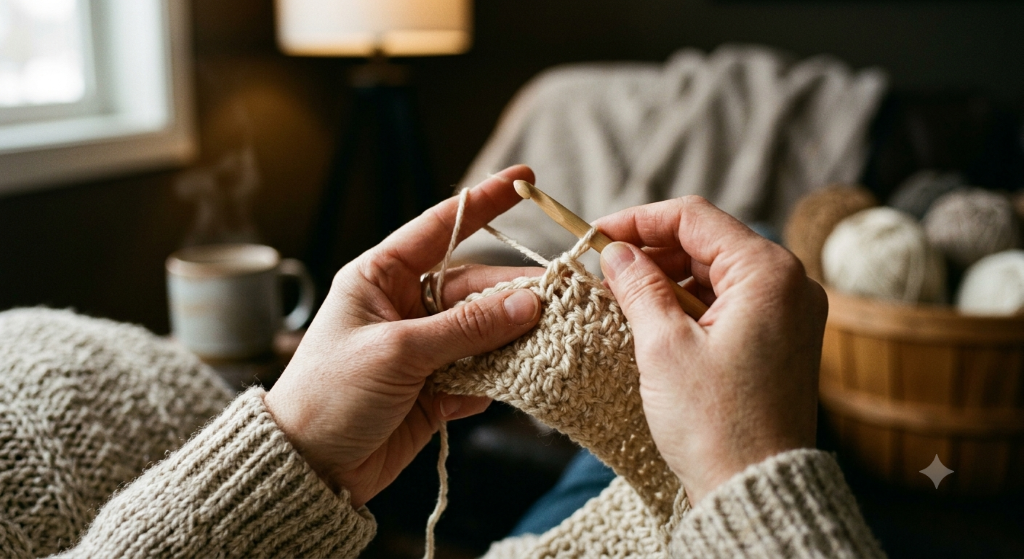
The Fibres Everyone’s Actually Buying
Walk into any craft store or scroll any yarn seller’s page right now, and a handful of fibres keep showing up over and over.
Cotton is still the backbone of the Indian crochet scene, and honestly, I don’t see that changing anytime soon. It’s breathable, it washes well, and it doesn’t feel sticky in our weather the way some synthetics do. Mercerised cotton has gotten noticeably more common this year — shinier, smoother, a little more expensive, but worth it for anything you want to look polished.
Acrylic hasn’t gone anywhere either. It’s still the go-to for beginners and for anyone making blankets, since it’s forgiving on the wallet and comes in every colour you could want. What has changed is quality spread — the gap between a decent acrylic and a scratchy, pilling one has gotten wider, so it pays to read reviews before buying in bulk.
Wool is a smaller slice of the pie here, mostly because of our climate, but it hasn’t disappeared. I’m seeing more merino blends aimed at winter accessories, and a few sellers pushing wool-acrylic mixes that soften the price without losing the warmth.
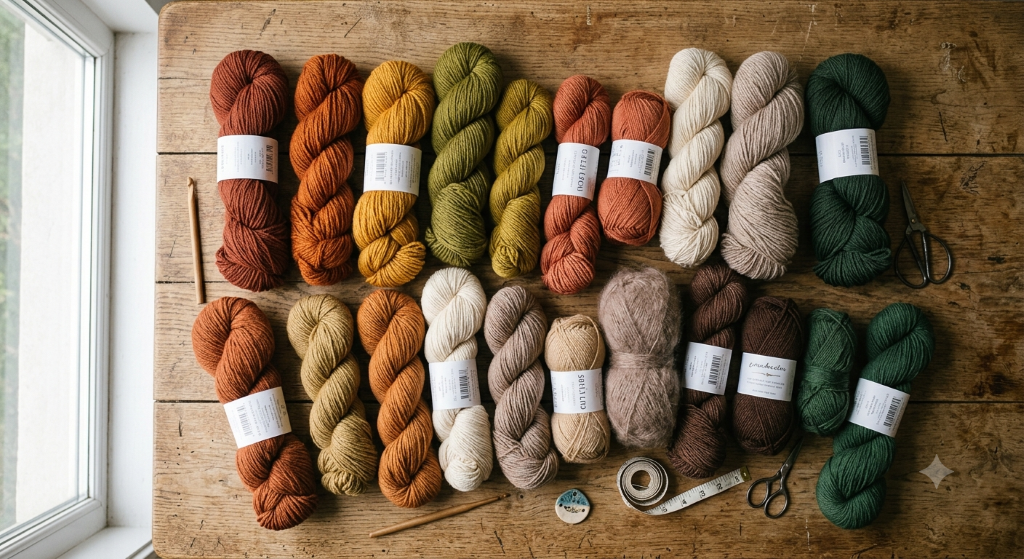
Bamboo yarn quietly grew this year. It’s soft, drapes beautifully, and appeals to the crowd that wants something a bit more premium-feeling without going full luxury fibre. If you haven’t tried it for a shawl or baby item, I’d put it on your list.
Recycled fibres are the one I get the most questions about. Recycled cotton and reclaimed blends are showing up on more Indian seller pages than they did last year, usually marketed around sustainability. Quality varies a lot brand to brand, so this is a category where I’d actually recommend ordering a single skein before committing to a big project.
Novelty yarns — the fuzzy, textured, ribbon-style ones — are having a small resurgence, mostly driven by amigurumi and trendy tote bag makers. They’re fun, but not something I’d build a whole stash around.
Indian Brands vs Imported Brands: Where the Money’s Actually Going
Here’s where things get interesting. Indian yarn brands have improved their game noticeably. Packaging looks better, dye consistency has improved, and a few brands have expanded their cotton and bamboo ranges specifically to compete with imported options.
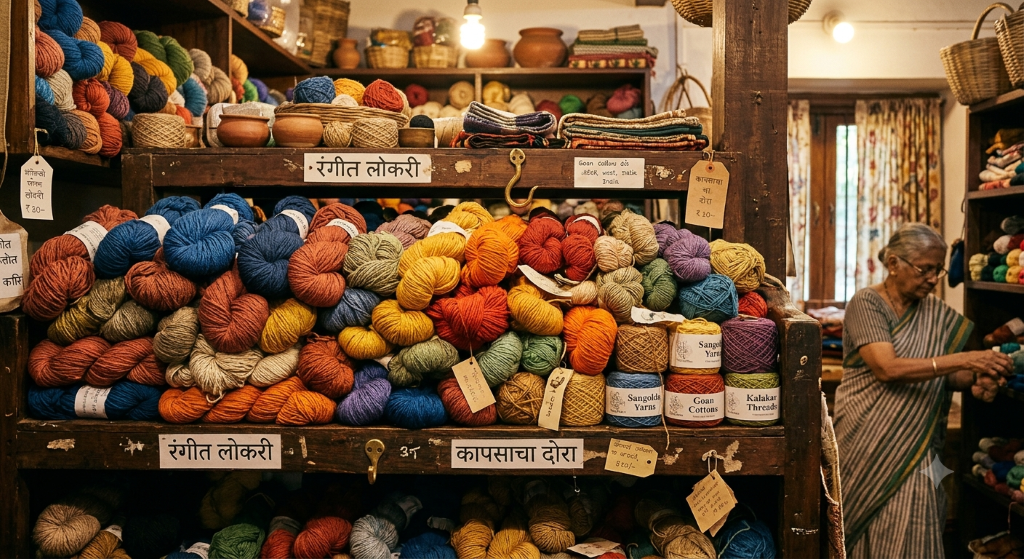
That said, imported yarn — especially from brands popular in the US and UK — still commands loyalty among crocheters chasing very specific colourways or textures you simply can’t find locally yet. The catch is shipping costs and import duties, which have crept up enough that a lot of buyers are rethinking whether that imported skein is worth it.
My honest take: for basics like cotton and acrylic, Indian brands have closed the gap enough that imported yarn isn’t automatically “better” anymore. For specialty fibres and unusual textures, imported still has the edge.
Budget Range vs Premium Range: What You Get at Each Price Point
Budget range yarn has held fairly steady in terms of price, though I have noticed shrinkflation creeping in — slightly lighter skeins at the same price point. It’s still perfectly fine for practice projects, gifts, and big blanket makes where cost matters more than luxury feel.
Premium range yarn has genuinely gotten better this year. More brands are offering hand-dyed, small-batch, and limited-edition skeins, and buyers seem willing to pay for that uniqueness. If you’re making something you plan to keep or sell, this tier is where the noticeable quality jump happens.
Hooks Are Having a Moment Too
It’s not just yarn — hooks have had a whole thing going on this year.
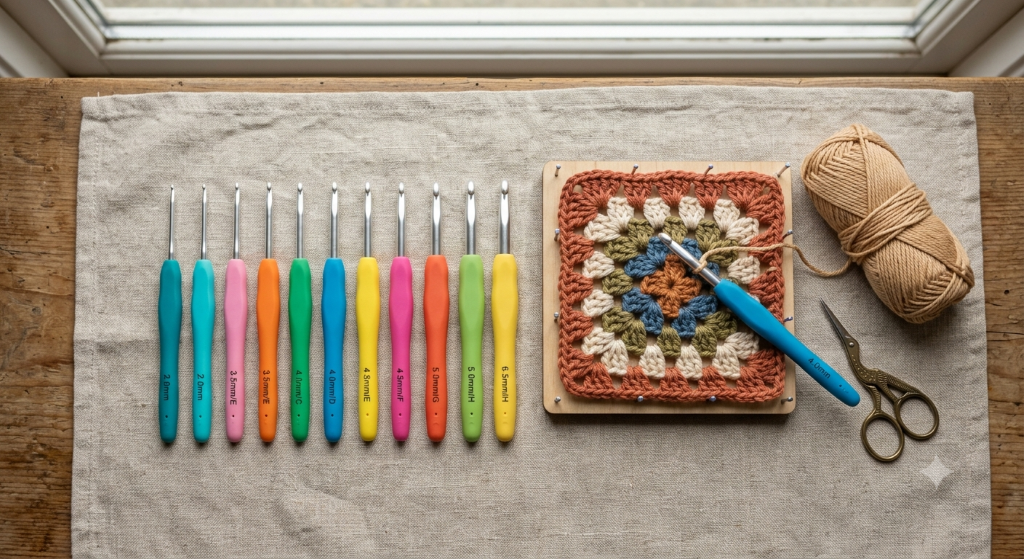
Ergonomic hooks are, without a doubt, the biggest trend. Cushioned grips, angled handles, anything that reduces hand strain has exploded in popularity, especially among crocheters who work long hours or deal with wrist pain. A few Indian brands have launched their own ergonomic lines instead of just importing them, which is a nice shift.
Popular hook brands right now split roughly into two camps: established international names people trust for consistency, and newer Indian brands winning people over on price and quicker delivery. I’d say loyalty here is softer than with yarn — people switch brands more easily when it comes to hooks.
New Products, Price Changes, and Availability
A few things worth flagging:
- New cotton-bamboo blends have launched from more than one seller this year
- Price increases have hit imported yarn harder than domestic yarn, mostly due to shipping
- Availability of specialty and hand-dyed yarns has improved — sellers are restocking faster than they used to
- Novelty and textured yarns have become easier to find, whereas a year or two ago they were a niche special order
What’s Growing, and What’s Quietly Disappearing
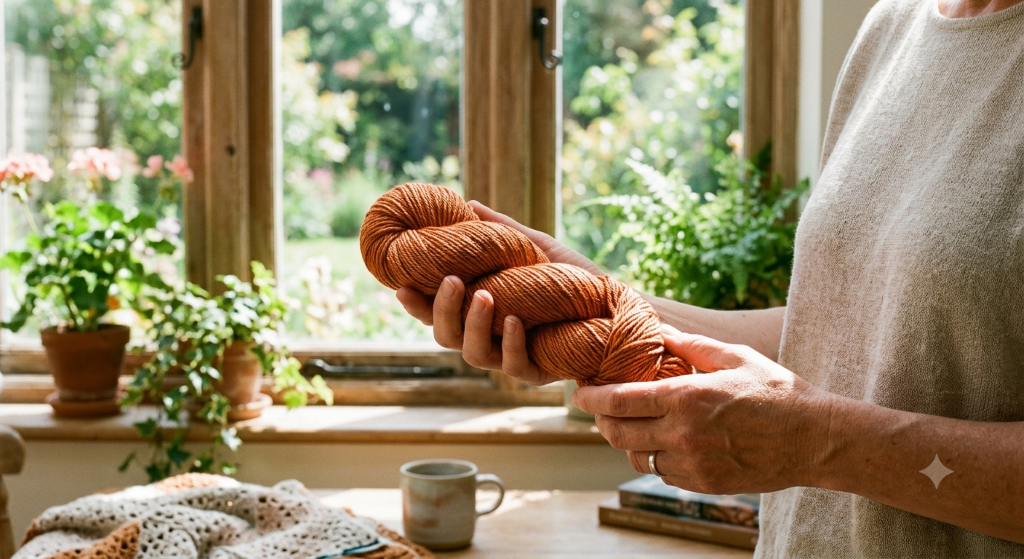
Growing: bamboo yarn, recycled fibre options, ergonomic hooks, hand-dyed premium skeins, and Indian brands stepping into categories that used to be import-only.
Disappearing (or at least fading): very cheap, low-quality acrylic with poor colour consistency seems to be losing shelf space as buyers get pickier, and plain, unbranded hooks with no ergonomic consideration are harder to find than they used to be.
If I had to sum up the whole crochet yarn market report 2026 in one line, it’s this: quality is quietly rising across every price point, and Indian brands are no longer the “budget alternative” — they’re genuinely competing.
That’s the honest, hands-on version of where things stand. If you’ve noticed something different in your own yarn shopping this year, I’d genuinely like to hear it — this kind of report only gets better with more eyes on the shelves.
Be the first to comment