
I’ll be honest, most “new yarns of 2026” roundups you’ll find online are really just “new colours of 2026” roundups with better lighting. A gorgeous shade, a clever name, a photo that makes the skein look irresistible — none of that tells you much about what actually happens once the yarn is on your hook.
So this list is a bit narrower than most. I skipped anything that was just a seasonal colourway and stuck to yarns where the fibre, the construction, or the intended use is genuinely different from what came before. Some of these lean knitting, some lean crochet — I’ve tried to be honest about which is which.
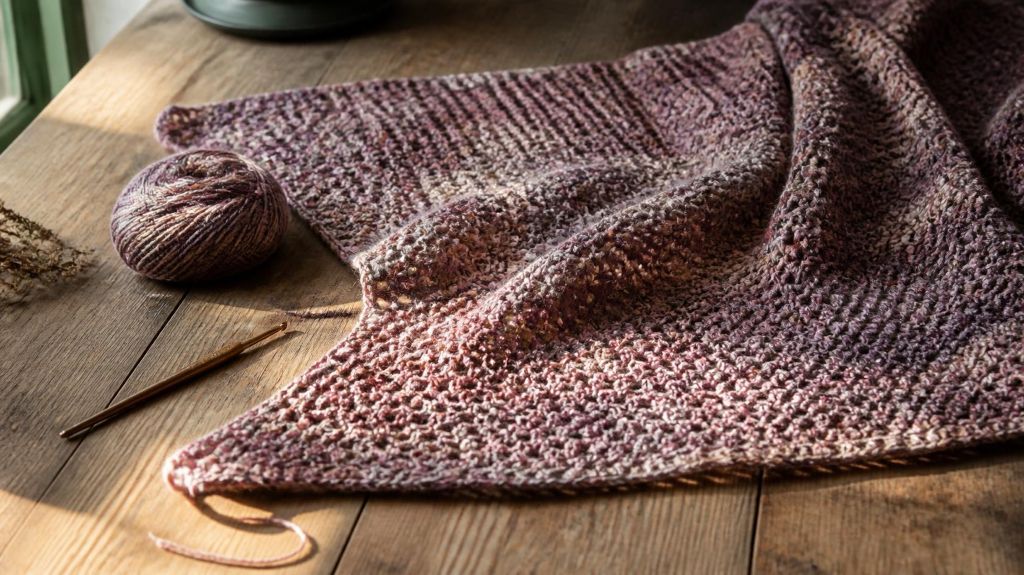
One thing I keep noticing as I go through this year’s launches: 2026 isn’t really about softer yarn. It’s about construction, colour behaviour, texture, and yarns built for a specific job rather than everything at once.
(Everything below was checked against manufacturer listings as of September 5, 2026 — yarn availability shifts fast, so double-check before you order a stash’s worth.)
What actually counts as “new” here
A new colour isn’t a new yarn, is my first gripe with most of these roundups. Companies roll out new shades and limited colourways constantly, and while that’s genuinely exciting for a lot of makers, it’s not the same as a new yarn base hitting the market. I wanted the fibre composition, the construction, or the use-case to actually be new — or at least part of a clearly defined 2026 collection.
That narrows things down a lot, but it also makes for a much more interesting list.
1. Malabrigo Torzal
Torzal was the one that stopped my scroll. It’s a DK/Sport-weight two-ply, 100% Superwash Merino, 160 yards (146m) per 50g skein — nothing unusual there on paper. What’s different is how it’s made: Malabrigo dyes the fibre before spinning, then plies two strands of the same colourway together. Because the dye doesn’t line up identically between the two plies, you get these small shifts of colour and texture running through the yarn that look almost handspun.
For crochet specifically, that matters more than it sounds like it should. A heavily variegated yarn can fight with a textured stitch — you end up with pooling or a fabric that looks busier than intended. Torzal’s colour movement is baked into the yarn structure itself, so even a plain single crochet still has something going on.
Best for: shawls, cardigans, hats, anything where you want texture without piling on stitch patterns.
My take: keep your stitch choice simple here. Let the yarn do the work — a fancy stitch pattern will just compete with it.
2. Lane Mondial Perla
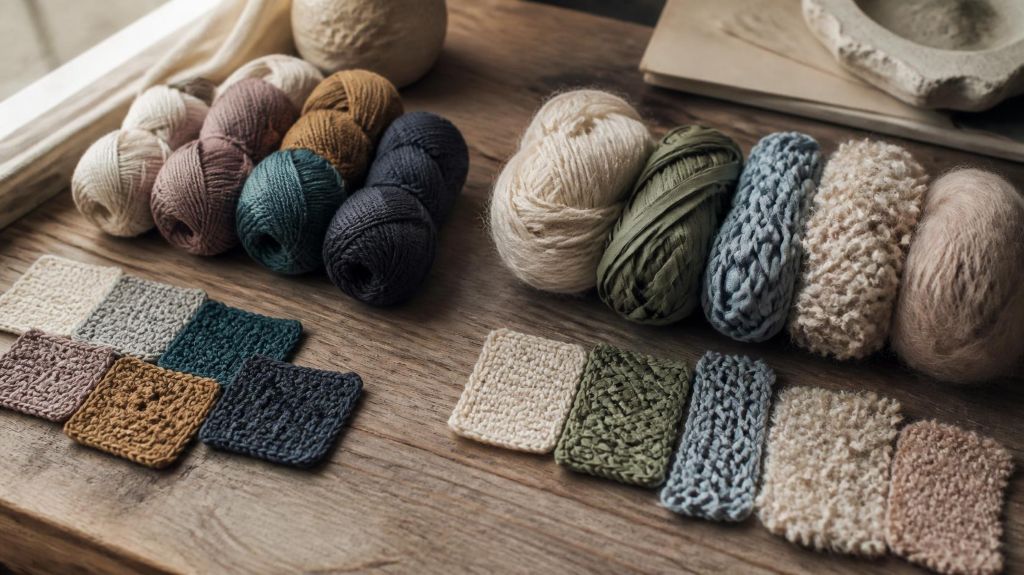
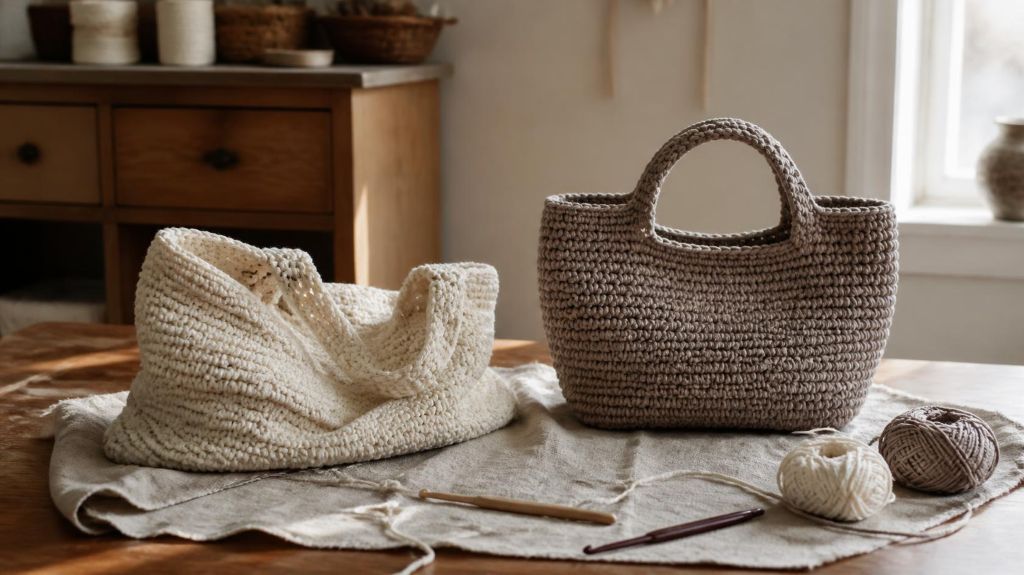
If any yarn on this list was clearly designed with crocheters in mind, it’s Perla. Lane Mondial is billing it as an iridescent ribbon yarn for summer 2026, aimed squarely at accessories — bags, baskets, home pieces. It’s 100% polyester microfiber, 200g to 80m, and wants a fairly chunky 8–9mm hook.
It’s not trying to be wool, and I think that’s the point. Perla is yarn behaving more like a design material than a fibre — the shine and the ribbon shape are part of the finished object, not something you add after the fact. Lane Mondial has even put out a crochet clutch tutorial built specifically around it.
Best for: handbags, baskets, clutches, statement pieces.
One warning, though: ribbon yarns don’t behave like round yarn. Tension mistakes show up much more visibly, so swatch before you commit a whole bag to it.
3. Noro Mebuki
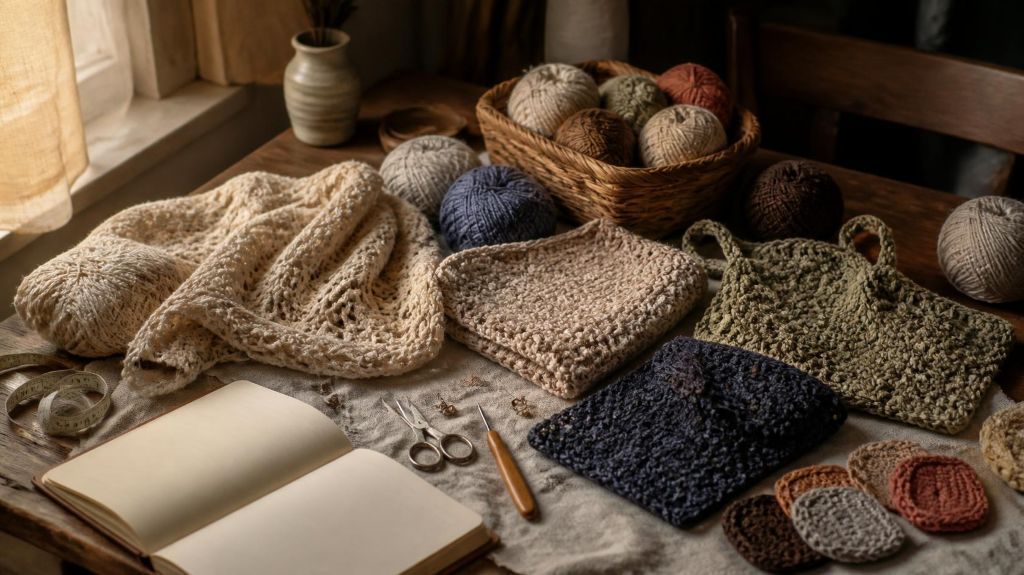
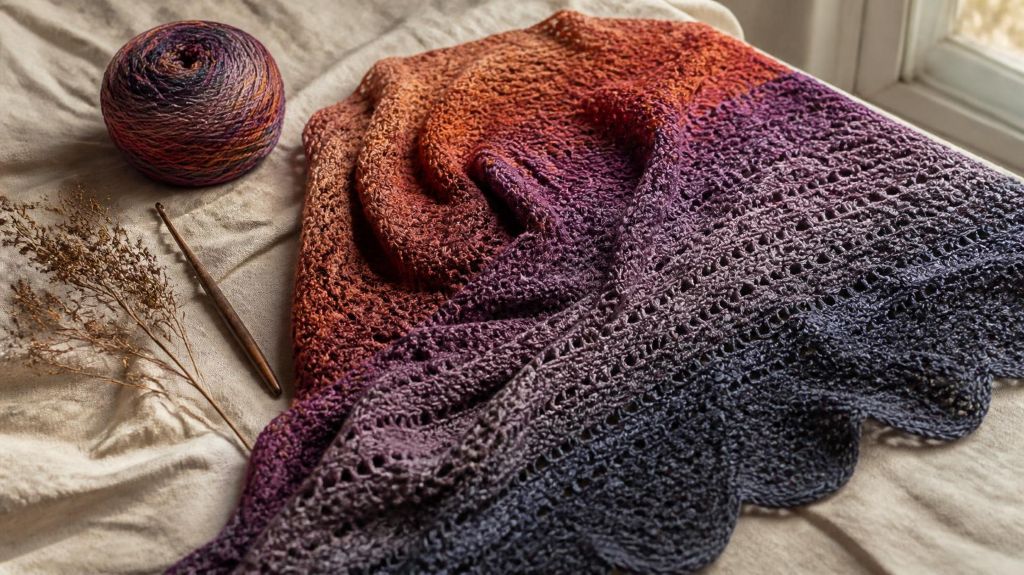
Noro yarns are always a bit of an event, and Mebuki is no exception — 40% silk, 30% wool, 30% viscose, 150g giving you around 492 yards. What sets it apart from classic Noro is the length of the colour transitions; they’re long and gradual rather than the short, abrupt shifts you’d expect.
That matters a lot depending on what you’re making. A small granny square might barely register the colour change at all. A full shawl or wrap, though, can turn those slow transitions into the actual design feature. Same yarn, very different results, purely based on how big the project is.
Best for: lightweight garments, shawls, larger accessories — think about the finished size before you buy.
4. Lana Grossa Pelo Cashmere
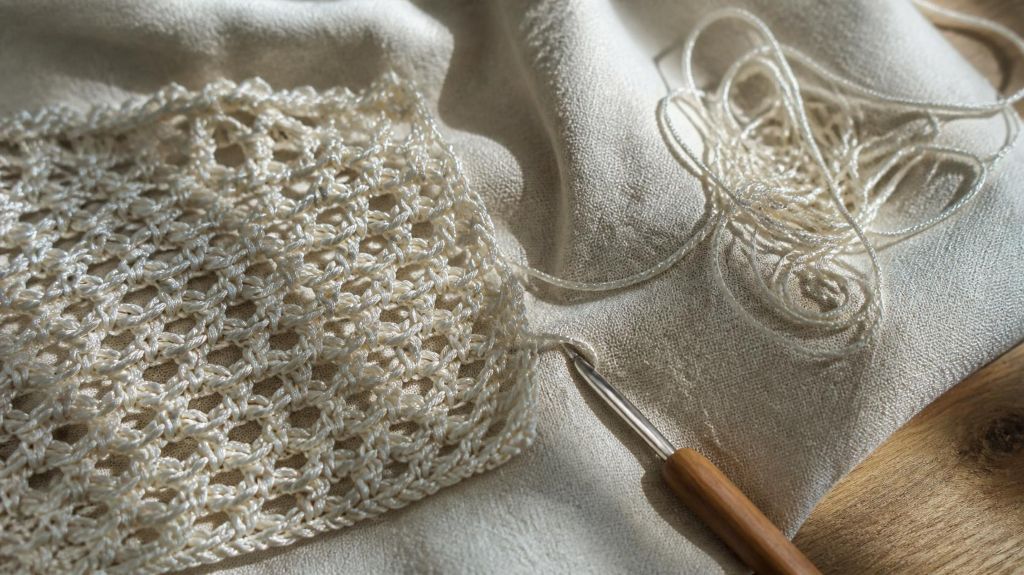
Lana Grossa’s 2026 collection includes Pelo Cashmere, a blend of cotton, baby alpaca, cashmere and fine Merino — specifically 54% cotton, 33% baby alpaca, 10% cashmere, 3% Merino, roughly 125m per 50g, recommended 5.5–6mm needle.
What I find interesting is the balance. Instead of building the whole yarn around cashmere (and the price tag that comes with it), the blend leans on cotton as the base and layers luxury fibres on top. You end up somewhere between lightweight comfort and winter warmth, which is a nice middle ground most cashmere blends don’t bother finding.
Best for: sweaters, cardigans, transitional-weather pieces. For crochet, pay attention to drape — a luxury blend doesn’t automatically suit a dense, structured fabric.
5. Lana Grossa Milano
Also new from Lana Grossa this season: Milano, 50% baby alpaca, 40% extra-fine Merino, 10% polyamide, about 140m per 50g, 4.5–5.5mm needle.
This is the one I’d reach for when I want a warm garment that doesn’t turn into a lead blanket by the time I’ve finished crocheting it. The polyamide gives it a bit of backbone too, which helps hold shape.
Best for: sweaters, wraps, winter accessories — go for a slightly more open stitch if you want to keep the drape and not add unnecessary weight.
6. Lane Mondial Tandem
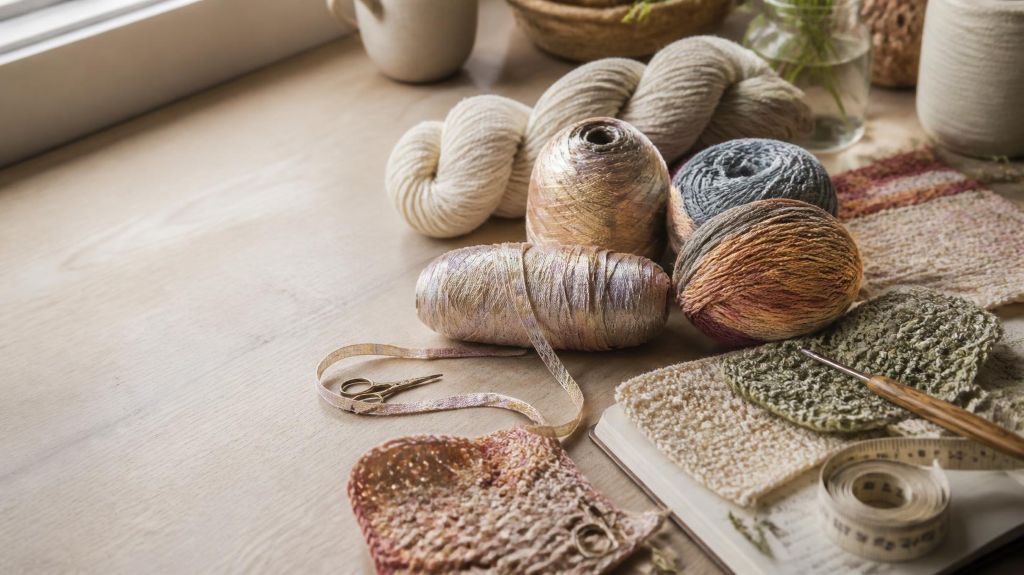
Tandem alternates cotton and viscose in a chain-like construction, which gives it a subtle matt/shiny contrast running through the fabric. Lane Mondial positions it for both knitting and crochet, lightweight, good for tops and cardigans.
What I like about it is that the yarn is doing some of the design work on its own. You don’t need stripes or colourwork to make a simple garment look considered — the texture contrast does that for you.
Best for: summer tops, lightweight cardigans, open crochet stitches that let the texture show.
7. Lane Mondial Bora Bora and Cordoncino
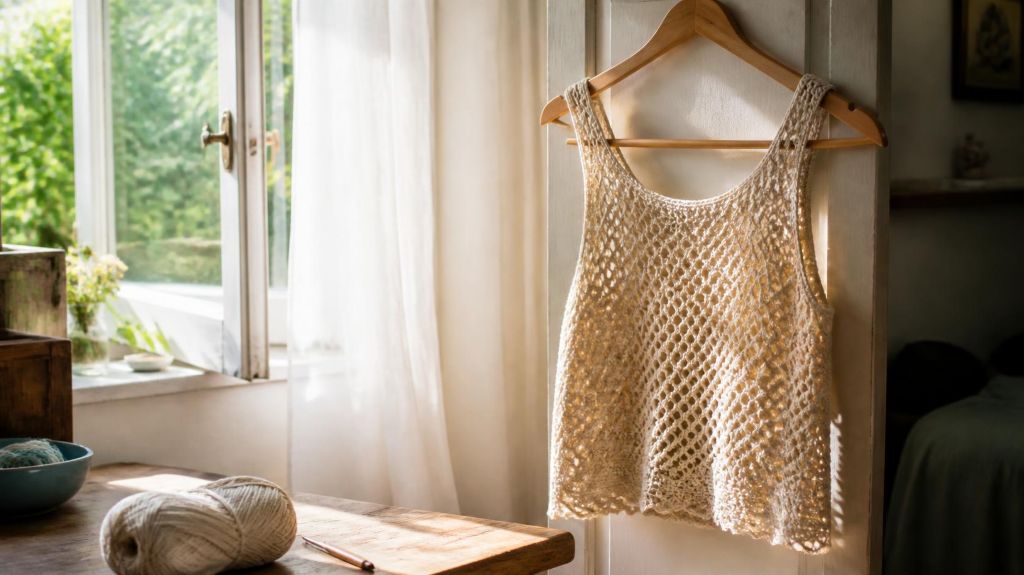
Not every yarn worth mentioning needs to be dramatic. Lane Mondial’s spring/summer collection also has Bora Bora (cotton and bamboo) and Cordoncino (chain-constructed, aimed at bags and home accessories), and I wanted to include both because they solve two very different, very practical problems.
Bora Bora is about a comfortable natural-fibre blend for lighter projects. Cordoncino is about structure — and structure matters more than people expect in crochet bags and baskets. A yarn that drapes beautifully in a sweater can completely collapse the moment you ask it to hold a basket’s shape.
Which is a good reminder in general: don’t just ask if a yarn is pretty. Ask what it actually wants to become.
Quick comparison
| Yarn | Fibre / construction | Particularly interesting for | Crochet potential |
| Malabrigo Torzal | 100% Superwash Merino, 2-ply | Colour + texture | ★★★★★ |
| Lane Mondial Perla | 100% polyester microfiber ribbon | Bags & accessories | ★★★★★ |
| Noro Mebuki | Silk, wool & viscose | Long colour transitions | ★★★★ |
| Lana Grossa Pelo Cashmere | Cotton, alpaca, cashmere & Merino | Soft garments | ★★★★ |
| Lana Grossa Milano | Baby alpaca, Merino & polyamide | Winter garments | ★★★★ |
| Lane Mondial Tandem | Cotton + viscose chain construction | Summer garments | ★★★★ |
| Lane Mondial Bora Bora | Cotton + bamboo | Lightweight projects | ★★★★ |
| Lane Mondial Cordoncino | Chain construction | Bags & home accessories | ★★★★★ |
So what does 2026 actually tell us?
Looking at all of these together, there isn’t one obvious “yarn of the year.” But a few patterns keep showing up.
Construction is getting more visible — Torzal’s two-ply dye trick, Perla’s ribbon shape, Tandem’s chain structure all change how the finished fabric looks, not just how it feels. Colour is getting more deliberate too; Mebuki’s long transitions and Torzal’s ply interaction are both a step past plain solid-versus-variegated. And accessory yarns are finally getting their own dedicated materials — Perla and Cordoncino aren’t garment yarns pressed into service for a bag, they were built for it.
Should you buy all of these?
No. Obviously not — a new launch isn’t automatically better than a yarn that’s been reliable for years. Before I add anything new to my own stash I ask myself a few questions: what am I actually making, does the fibre suit it, will it hold the shape I need, how does the construction affect stitch definition, is the colour repeat right for the size of the project, can I get enough of the same dye lot, how does it wash, and honestly — is the price worth what it’s offering.
Buy the yarn for the project. Not because it’s new.
AvyaStore take
Nobody’s invented a magic new fibre this year. What’s changed is how the familiar ones are being spun, blended, dyed and aimed at specific kinds of making — and honestly, that’s more useful to us as crocheters than a headline-grabbing new material would be.
If I had to pick two to watch, it’s Torzal and Perla, for almost opposite reasons. Torzal shows how much construction alone can do for colour and texture. Perla shows crochet accessories heading somewhere completely different, using shine and structure as the whole point.
Either way — swatch first. Buy second.
Be the first to comment