
Crochet is more than just a hobby—it is a creative escape, a form of self-care, and for many, a lifelong passion. Whether you’re making cozy blankets, trendy garments, or adorable amigurumi toys, crochet offers endless possibilities. However, every crocheter, from beginners to experts, encounters challenges along the way. Uneven stitches, tangled yarn, creative burnout, and unfinished projects are all part of the crochet journey.
The good news is that these challenges are completely normal and can be overcome with the right techniques and mindset. Understanding these common crochet problems and learning practical solutions can help you become a more confident and productive crocheter. If you’ve ever felt frustrated while working on a project, know that you’re not alone. Here’s a detailed guide to the most common crochet challenges and how to overcome them.
1. Struggling with Consistent Crochet Tension
One of the biggest hurdles for beginner crocheters is maintaining consistent yarn tension. Uneven tension often results in projects that appear too tight, too loose, or misshapen. You may notice that one side of your scarf is wider than the other or that your granny squares don’t match in size. This is a completely normal part of learning crochet and something every experienced crocheter has faced.
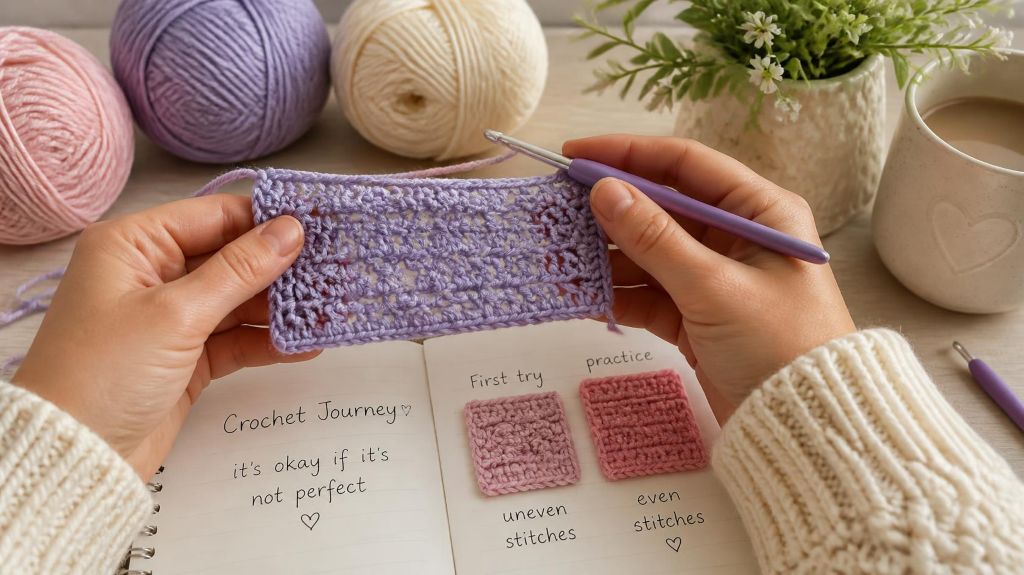
The best way to improve your tension is through regular practice. Spend a few minutes each day working on basic stitches such as single crochet and double crochet. Try to hold your yarn comfortably rather than gripping it tightly, and avoid changing your hook size midway through a project. Creating small practice swatches before beginning larger projects can also make a significant difference. With time and consistency, your stitches will naturally become more even and professional-looking.
2. Choosing the Right Yarn for Crochet Projects
The world of yarn can be overwhelming. With countless colours, fibres, textures, and weights available, selecting the right yarn often becomes a challenge. Many crocheters buy beautiful yarn impulsively, only to realise later that it isn’t suitable for their chosen project.
Before purchasing yarn, consider what you’re planning to make. Cotton yarn is ideal for dishcloths and summer accessories because of its durability and absorbency. Acrylic yarn is affordable, beginner-friendly, and excellent for blankets and home décor items. Wool is perfect for winter garments, while blended yarns provide softness and versatility.
Developing a habit of reading yarn labels will save both time and money. Keeping a simple crochet journal where you note your favourite yarn brands, weights, and project outcomes can also help you make better choices in the future.
3. Dealing with Crochet Burnout
Crochet burnout is more common than many people realise. Sometimes, what begins as a relaxing hobby can start to feel overwhelming, especially when you’re juggling multiple projects or trying to keep up with crochet trends on social media. You may lose motivation, avoid picking up your hook, or feel uninspired despite having plenty of yarn and patterns available.
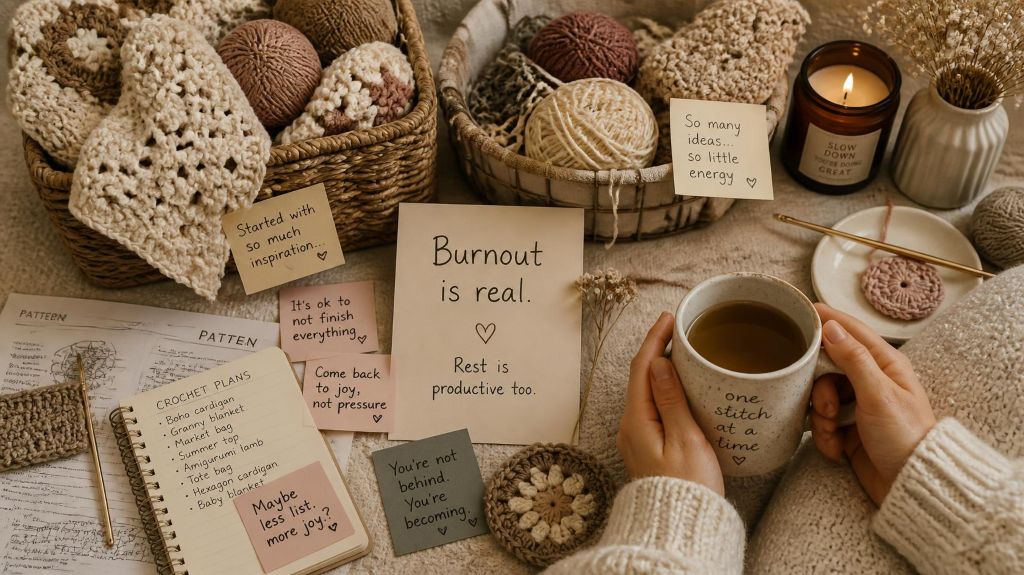
When creative burnout strikes, it’s important to give yourself permission to take a break. Crochet should bring joy, not stress. Try working on small, quick projects such as bookmarks, coasters, or keychains to reignite your creativity. Watching crochet tutorials, learning a new stitch, or simply organising your yarn stash can also help you reconnect with your passion for the craft.
Remember that creativity thrives when given room to breathe. Taking a short break often leads to renewed inspiration and enthusiasm.
4. Managing Too Many Unfinished Crochet Projects
Most crocheters have a collection of unfinished projects tucked away in baskets, drawers, or storage boxes. Commonly referred to as UFOs (Unfinished Objects), these projects can quickly become overwhelming if left unmanaged.
The excitement of starting something new often overshadows the discipline required to finish existing projects. Over time, unfinished items can lead to frustration and unnecessary clutter.
Creating a crochet project tracker is an excellent way to stay organised. Note down the project name, yarn used, hook size, and estimated completion date. Setting a goal to complete one unfinished project before beginning another can help reduce your crochet backlog.
Breaking large projects into smaller milestones also makes them feel more achievable. Finishing even one project can provide a tremendous sense of accomplishment and motivation.
5. Hand Pain and Crochet Fatigue
Long crochet sessions can sometimes lead to wrist pain, finger stiffness, shoulder discomfort, and eye strain. While crochet is a relaxing activity, repetitive hand movements can cause fatigue if proper precautions aren’t taken.
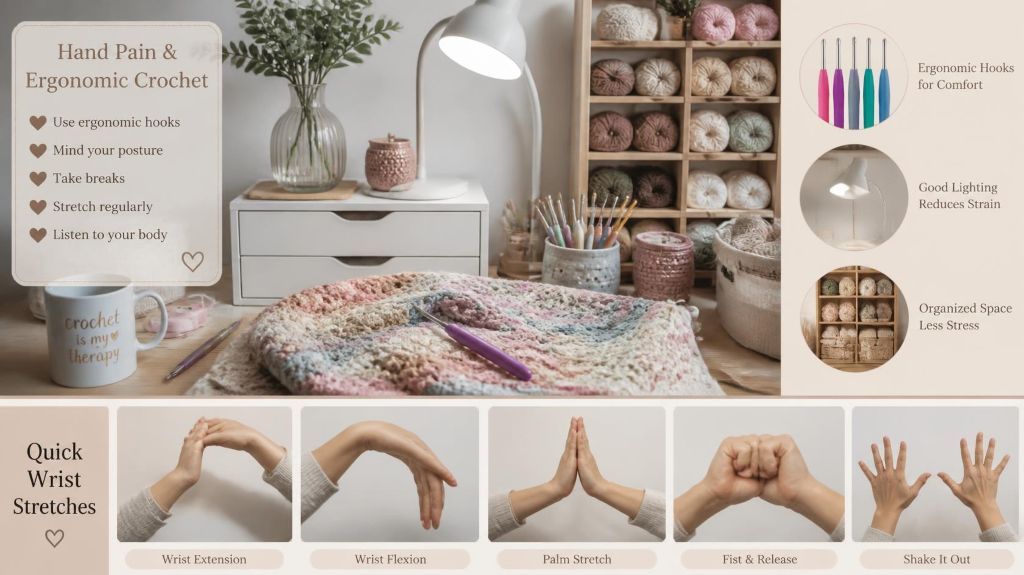
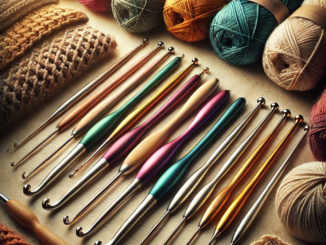
Using ergonomic crochet hooks can greatly improve comfort during extended crafting sessions. Taking regular breaks every thirty minutes allows your hands and muscles to rest. Gentle stretching exercises for your fingers, wrists, and shoulders can also help prevent discomfort.
Maintaining good posture while crocheting is equally important. Sit in a supportive chair with adequate lighting and avoid hunching over your project. Listening to your body’s signals and prioritising comfort will ensure that crochet remains an enjoyable hobby for years to come.
6. Understanding Crochet Patterns and Terminology
Crochet patterns can sometimes feel like learning a new language. Abbreviations such as SC, HDC, DC, CH, and SL ST may appear confusing, especially for beginners. Additionally, UK and US crochet terminology differences can create further confusion.
The key is to start with beginner-friendly patterns that include detailed instructions, photographs, or video tutorials. Building your own crochet stitch dictionary or glossary can make learning much easier.
Rather than rushing through complicated designs, focus on mastering one stitch or technique at a time. With practice, reading crochet patterns becomes second nature, and you’ll soon find yourself confidently tackling more advanced projects.
7. Finding Time for Crochet in a Busy Schedule
Modern life often leaves little room for hobbies. Between work, family responsibilities, household tasks, and personal commitments, many crocheters struggle to find dedicated time for crafting.
The truth is that crochet doesn’t require hours of uninterrupted time. Even fifteen or twenty minutes a day can help you make steady progress. Consider scheduling crochet time into your daily routine, whether it’s during your morning coffee, while listening to a podcast, or before bedtime.
Crochet is more than a productive hobby—it is a valuable form of mindfulness and relaxation. Making time for creativity is an investment in your mental well-being and overall happiness.
8. Organising Your Crochet Yarn Stash
An unorganised yarn collection can quickly become a source of frustration. Tangled skeins, missing labels, and duplicate purchases are common problems faced by crocheters worldwide.
Proper yarn storage not only protects your supplies but also improves productivity. Transparent storage bins, labelled baskets, and colour-coded organisers are simple yet effective solutions. Keeping yarn away from moisture, dust, and direct sunlight helps preserve its quality for future projects.
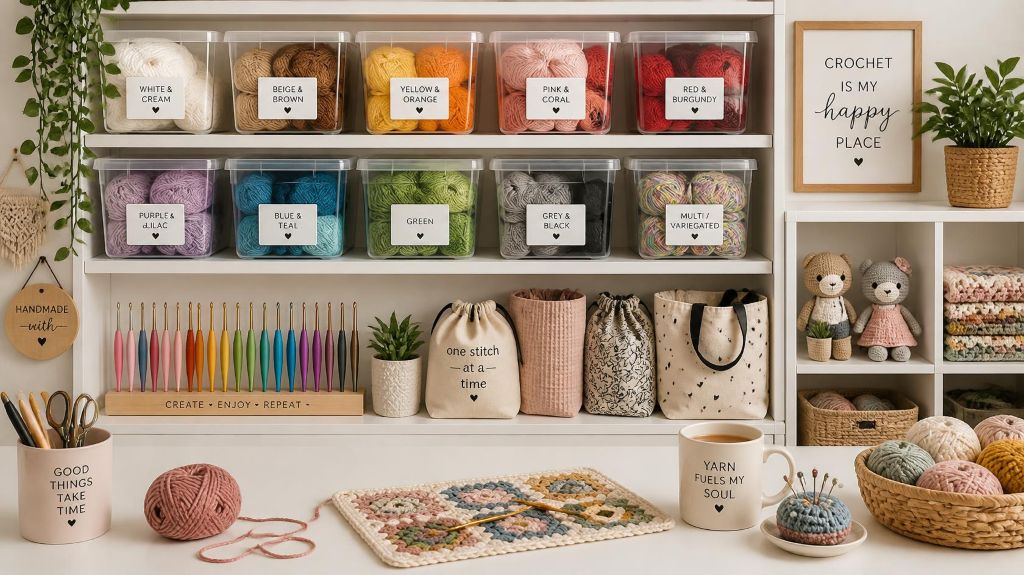
Many crocheters also maintain a digital inventory using spreadsheets or note-taking apps. Knowing exactly what materials you already own can save money and prevent unnecessary purchases.
An organised crochet space often leads to a more enjoyable and inspiring crafting experience.
9. Fear of Making Crochet Mistakes
Perfectionism is one of the most significant obstacles in any creative hobby. Many beginners become discouraged when their projects don’t look exactly like the pattern photographs. Some even abandon crochet altogether after making a few mistakes.
It’s important to remember that mistakes are an essential part of learning. Frogging—unravelling stitches and starting again—is something every crocheter does, regardless of skill level.
Instead of striving for perfection, focus on progress. Every crooked stitch, uneven edge, and restarted project teaches valuable lessons that contribute to your growth as a crocheter. Handmade creations are unique because they reflect the time, effort, and personality of the maker.
Celebrate your progress rather than criticising your imperfections.
10. Keeping Up with Crochet Trends Without Feeling Overwhelmed
The crochet world is constantly evolving. New yarns, patterns, hooks, techniques, and fashion trends emerge every season. Social media platforms often showcase elaborate projects that can make crocheters feel pressured to keep up.
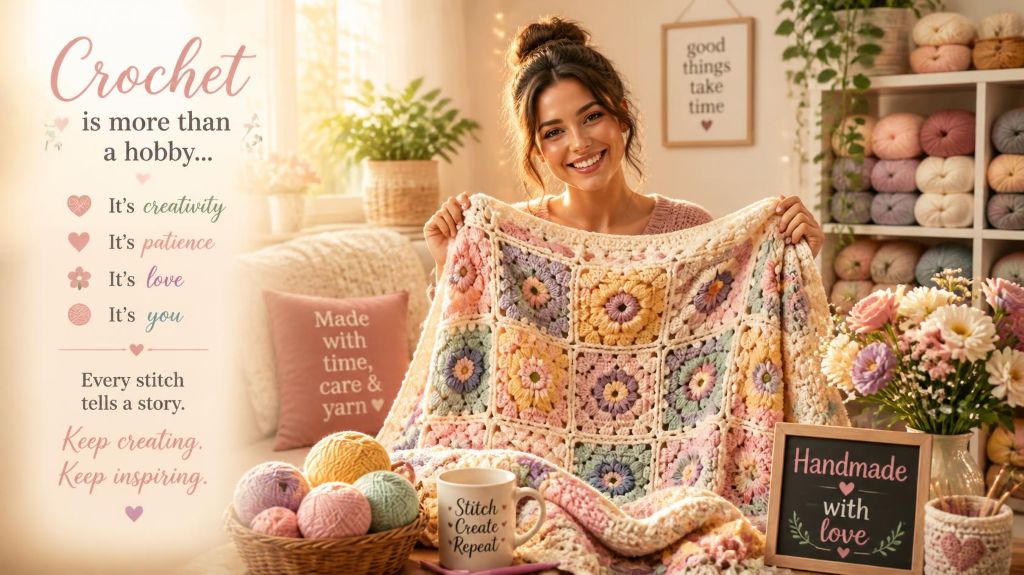
However, crochet is a deeply personal craft. You don’t need to try every new trend or purchase every newly released yarn collection. Instead, focus on projects that genuinely inspire you and align with your interests and skill level.
Consider learning one new stitch each month or trying a seasonal project that excites you. Following crochet magazines, blogs, and creators can provide inspiration without creating unnecessary pressure.
Your crochet journey is unique, and there is no right or wrong pace at which to grow your skills.
Building a Joyful and Sustainable Crochet Journey
Crochet is not about producing perfect projects or keeping up with everyone else. It is about creativity, relaxation, and personal expression. Challenges such as tension issues, creative burnout, hand fatigue, and unfinished projects are all part of becoming a skilled crocheter.
The most successful crocheters are those who embrace the learning process, stay curious, and continue creating despite occasional setbacks. By staying organised, practising regularly, and giving yourself grace when mistakes happen, you’ll find that crochet becomes even more rewarding over time.
Final Thoughts
Every crocheter faces challenges—whether it’s choosing the right yarn, understanding patterns, or finding time to crochet amidst a busy schedule. The key is not to avoid these obstacles but to learn how to navigate them with patience and confidence.
Crochet is a beautiful reminder that progress happens one stitch at a time. Every project teaches something new, every mistake brings valuable experience, and every finished piece reflects your creativity and dedication.
So, the next time you find yourself struggling with a crochet challenge, pick up your hook, take a deep breath, and keep stitching. Your crochet journey is uniquely yours, and every stitch is worth celebrating.
Read more
1 Trackback / Pingback