
You’re standing in front of a wall of yarn. Three balls look nearly the same, and the labels say cotton, acrylic and milk cotton. Which one do you pick?
I’ve been there more times than I can count. I’ve also ruined a few projects by grabbing the wrong fibre. So let me save you the trouble. Here’s how cotton vs acrylic vs milk cotton yarn really compares, in plain words, the way I’d explain it over a cup of chai.
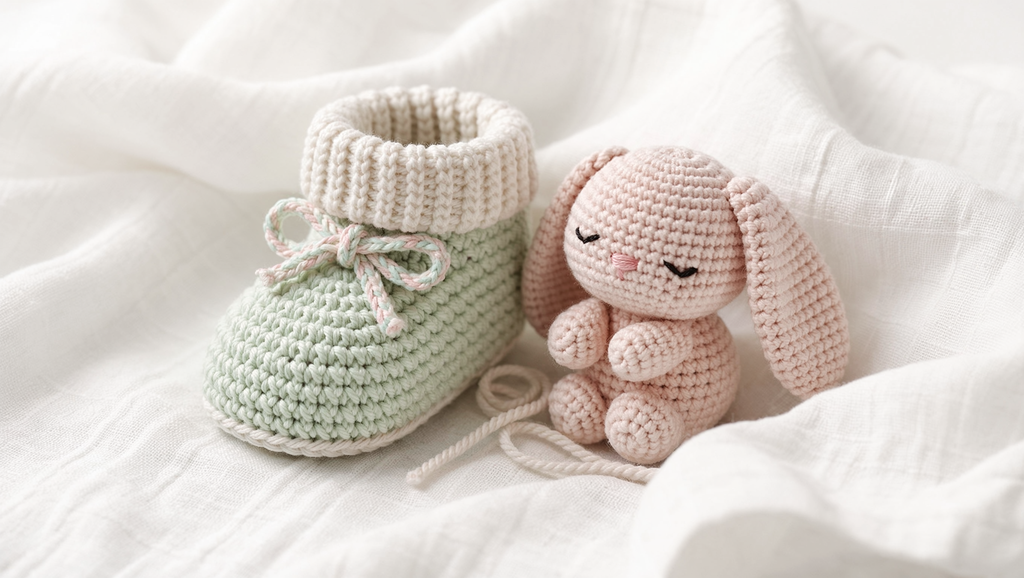
Why Your Yarn Choice Matters More Than You Think
The pattern gets all the attention, but the yarn decides how your finished piece looks, feels and lasts. A gorgeous baby blanket in scratchy yarn is a gift nobody uses. A market bag in stretchy yarn sags within a week.
Pick the fibre first. Then pick the colour. That order has never failed me.
Cotton Yarn: The Sturdy Classic
Pure cotton is a natural fibre, and it behaves like one. It’s firm, breathable and absorbs water well. It doesn’t stretch much, which is exactly why stitches look so crisp and defined.
Where cotton shines
Dishcloths, coasters, market bags, summer tops, baskets and plant hangers all love cotton. It holds its shape and gets softer after every wash.
Where it can annoy you
Cotton has no bounce. If you crochet tightly, your hands will tell you about it by the end of the evening. It’s also heavier than the other two, so a big blanket can feel weighty. Honestly, I take breaks often when working with 100% cotton.
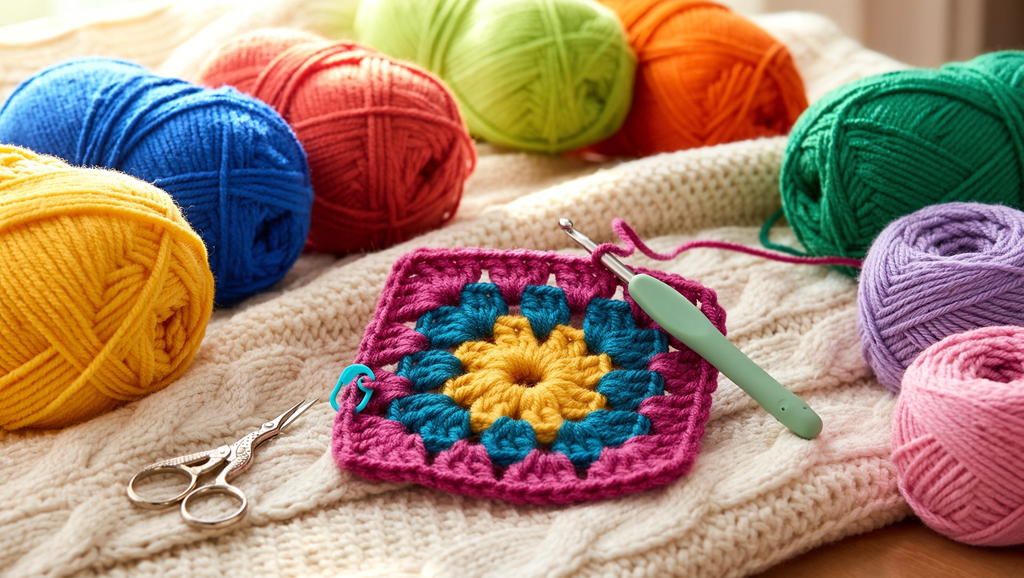
Acrylic Yarn: The Budget-Friendly Workhorse
Acrylic is a synthetic fibre, and it gets a bad reputation it doesn’t entirely deserve. Yes, some cheap skeins feel squeaky. But a decent acrylic is soft, light and comes in an enormous range of colours.
Why beginners love it
It’s forgiving. It has a little stretch, so uneven tension doesn’t show as badly. It’s also easy to find, easy to wash and gentle on your wallet. If you’re learning a new stitch and expect to frog (rip back) a lot, acrylic is a kind teacher.
The catch
Acrylic doesn’t breathe well. In warm weather, a wearable made from it can feel sticky. It can also pill with heavy use, and it doesn’t handle direct heat. Never iron it, and keep it away from hot dryers.
Milk Cotton Yarn: The Soft Middle Ground
This is the one people ask me about most. Milk cotton is usually a blend of cotton with a milk protein fibre. The result is smooth, silky and wonderfully soft against the skin.
It has a slight sheen, a gentle drape and just enough stretch to feel comfortable in your hands. It’s also lighter than pure cotton, so garments don’t drag.
Best uses for milk cotton yarn
- Baby blankets, booties and hats
- Soft toys and amigurumi
- Light tops and shawls
- Anything that touches sensitive skin
The trade-off? It costs more than basic acrylic, and it can split if your hook is too sharp. Go slowly, and use a smooth hook.
Cotton vs Acrylic vs Milk Cotton Yarn: A Quick Comparison
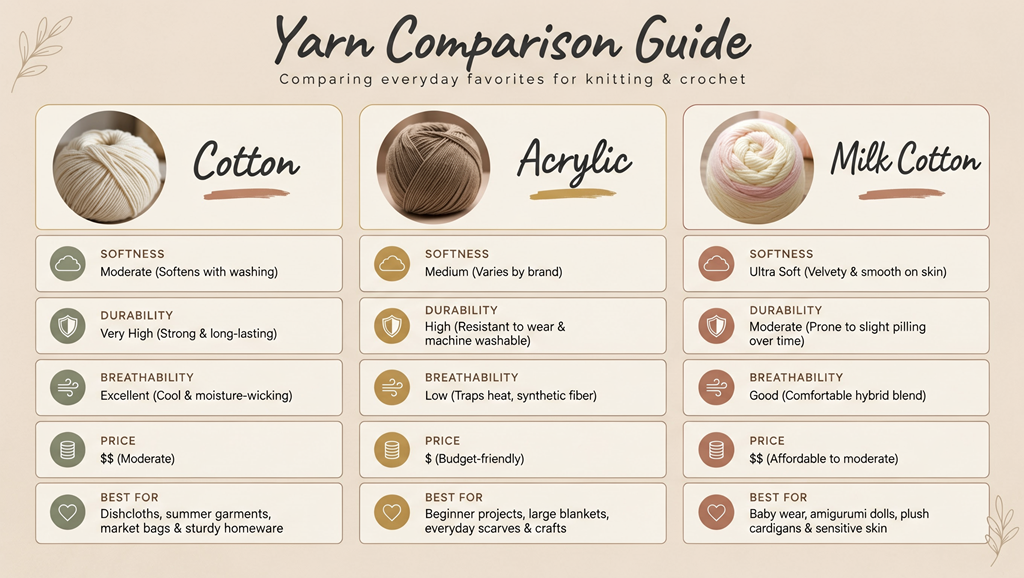
If you like things side by side, here’s my honest take:
- Softness: Milk cotton wins, acrylic is next, cotton comes last (until it’s washed a few times).
- Durability: Cotton is the toughest. Milk cotton is good. Acrylic is fine but may pill.
- Breathability: Cotton and milk cotton are comfortable in heat. Acrylic isn’t.
- Price: Acrylic is the cheapest, cotton sits in the middle, milk cotton is often the priciest.
- Ease for beginners: Acrylic is the most forgiving, milk cotton is a close second.
Which Yarn Is Best for Your Project?
Let me make it simple. Match the yarn to what the piece will actually do in real life.
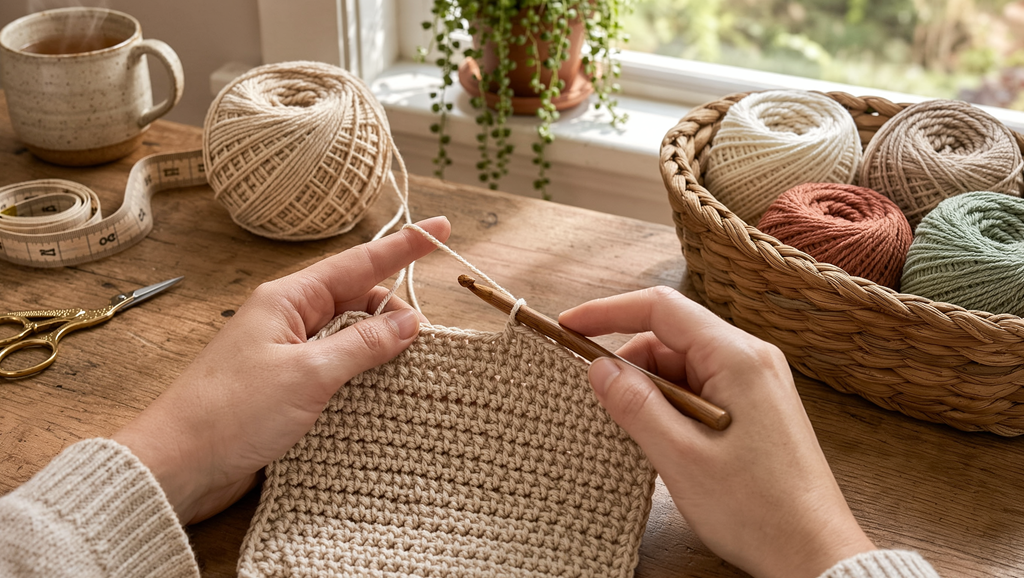
For baby items
Milk cotton, every time. It’s soft, washable and gentle. A good acrylic is a decent budget option too, as long as it’s labelled baby-safe and machine washable.
For amigurumi
Cotton gives the cleanest stitch definition, so shapes stay neat and the stuffing doesn’t peek through. Milk cotton gives a lovely, cuddly finish. Acrylic works if you want bright colours on a budget.
For home decor and kitchen pieces
Cotton, no question. It handles heat, water and daily scrubbing.
For wearables
Think about the weather. Cotton or milk cotton for summer tops. Acrylic for cosy, everyday cardigans and scarves that need to be washed often.
For big blankets
Acrylic keeps the weight down and the cost reasonable. If it’s a gift for a baby or someone with sensitive skin, spend a little extra on milk cotton.
A Few Tips Before You Buy
- Squeeze the skein. If it feels pleasant in your palm, it’ll feel pleasant in your hands for hours.
- Check the care label before you fall in love with a colour.
- Buy a single ball first and crochet a small swatch.
- Always buy enough from the same dye lot.
My Final Word
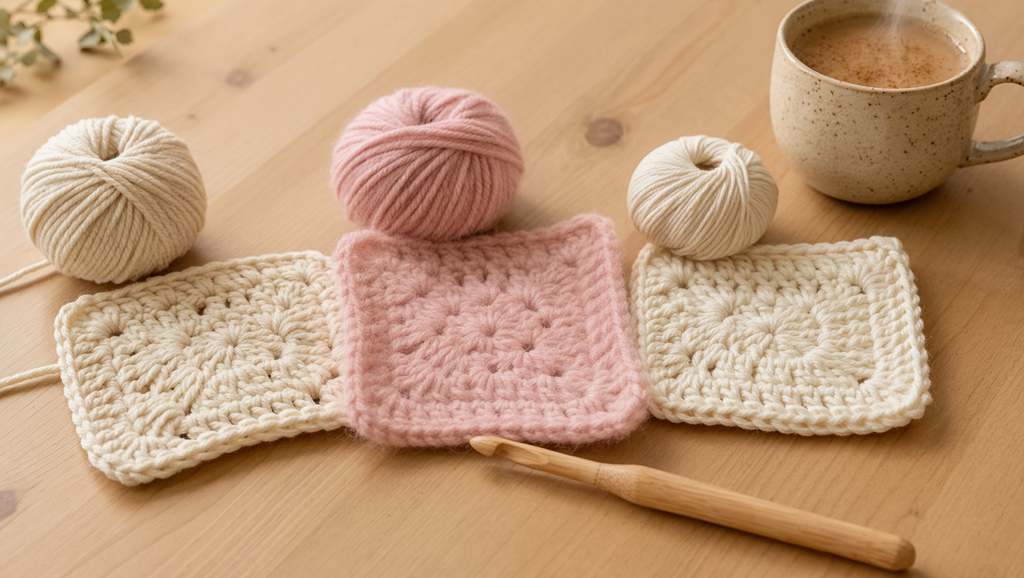
There’s no single winner in cotton vs acrylic vs milk cotton yarn. Cotton is the tough one, acrylic is the friendly budget pick, and milk cotton is the soft, special-occasion choice. The best yarn is the one that suits what you’re making and who it’s for.
So next time you’re facing that wall of colour, you’ll know exactly what to reach for. Which one are you picking for your next project? Tell me in the comments. I’d love to know.


Be the first to comment